Trying to decide between buying in Washington, DC or heading into the suburbs? You are not alone. Many DMV buyers assume the city always costs more, the suburbs always mean a longer commute, or that more space automatically comes with a better value. The truth is more nuanced, and that is exactly where a smart strategy matters. In this guide, you will see how price, space, density, and commute patterns compare across DC, Arlington, Alexandria, Fairfax County, and Montgomery County so you can make a move that fits your real life. Let’s dive in.
Price does not tell the whole story
A lot of buyers begin with one question: where will my money go farther? The latest March 2026 median sale price snapshot shows Arlington County at $815,000, Fairfax County at $754,000, the District of Columbia at $676,500, Alexandria at $660,000, and Montgomery County at $650,000. That means DC is not the highest-priced option in this group.
This surprises many buyers because the common assumption is that city living always comes at the biggest premium. In this snapshot, Arlington and Fairfax were both above DC, while Montgomery County and Alexandria came in below it. If you are comparing markets across the DMV, it helps to look at the exact area rather than rely on a broad city-versus-suburbs label.
Market pace also matters when you are planning your offer strategy. DC had a 98.7% sale-to-list ratio and a median of 68 days on market, while Arlington, Fairfax, Montgomery, and Alexandria all posted sale-to-list ratios above 100% and median days on market between 26 and 33 days. In plain terms, the broader DC market may offer somewhat more room for negotiation than some close-in suburban markets, although the type of home still matters a lot.
Space is often the biggest tradeoff
For many buyers, the real question is not just price. It is how you want to live day to day. If you want a smaller-footprint home with easier access to urban amenities, DC often lines up with that goal.
The density numbers help explain why. DC has 11,280.7 people per square mile, with 41.5% owner-occupied housing and 1.99 persons per household. Arlington and Alexandria are also dense at 9,179.6 and 10,677.4 people per square mile, with owner-occupied rates of 41.3% and 42.1% and average household sizes of 2.08 in both places.
Montgomery and Fairfax look different. Montgomery County has 2,153.8 people per square mile and Fairfax County has 2,941.8, with owner-occupied housing at 65.3% and 68.6%. Their household sizes are also larger at 2.72 and 2.75 persons per household.
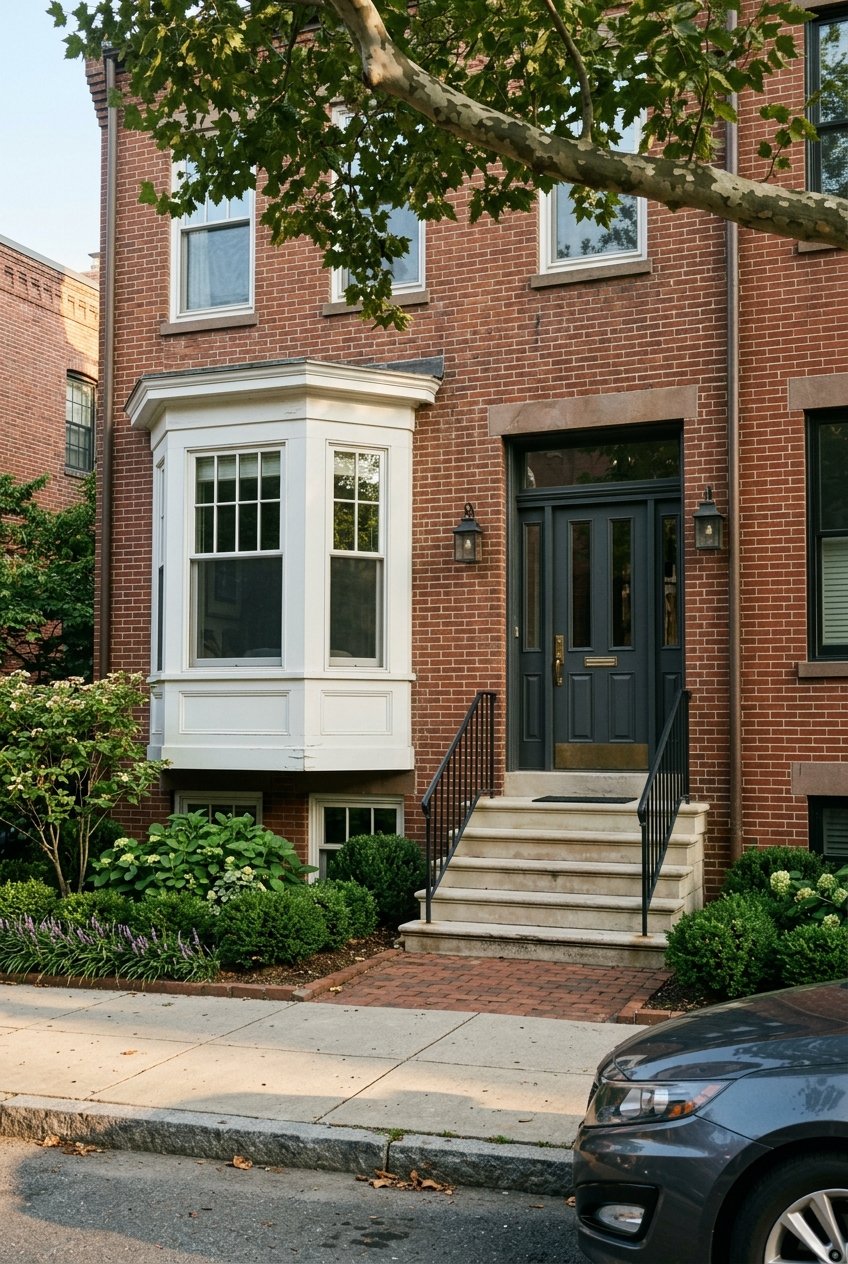
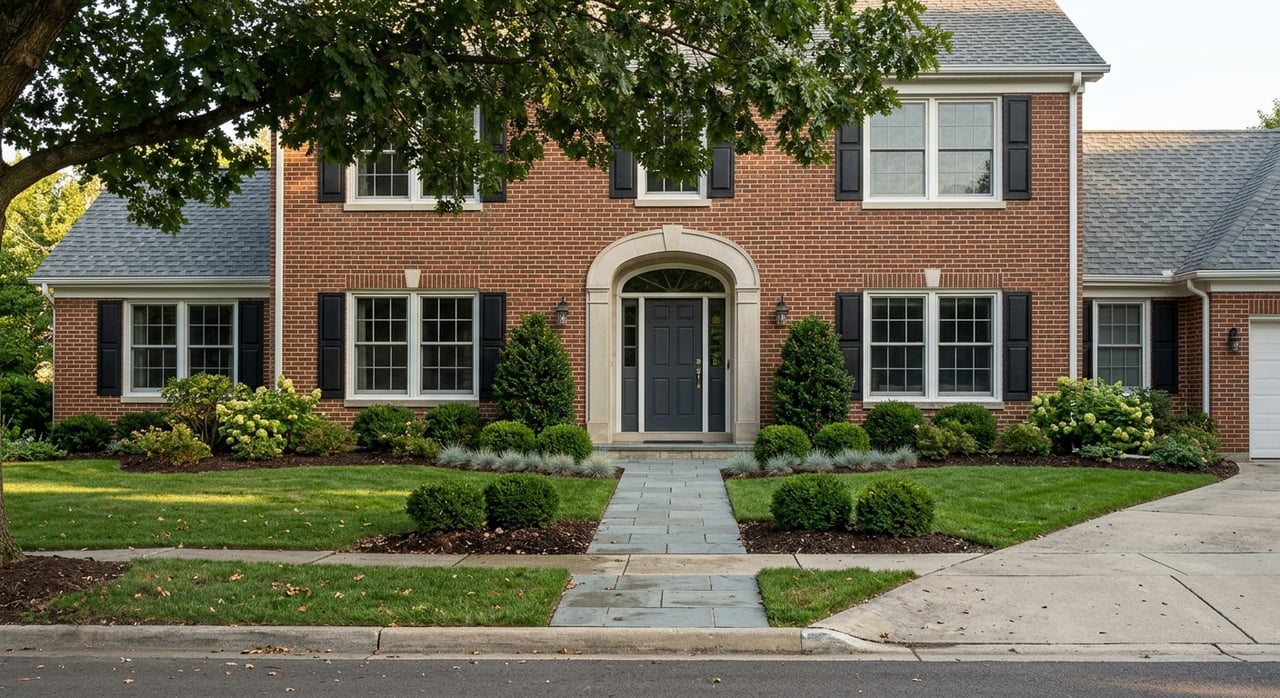
What does that mean for you as a buyer? While the census data does not directly break down every home type here, it strongly suggests that DC, Arlington, and Alexandria are more likely to feel condo, co-op, and rowhouse heavy. Montgomery and Fairfax are more likely to offer detached homes, larger lots, and a more suburban residential pattern.
Commute time depends on the exact location
Another common assumption is that buying outside DC always means a much worse commute. The data does not fully support that. Average commute times are relatively close across this group.
Arlington County averages 26.2 minutes, Alexandria 28.4, Fairfax County 28.9, DC 30.0, and Montgomery County 31.9. That tells you the commute penalty for suburban living is real in some cases, but it is not automatic or extreme across the board. In many situations, your neighborhood, job location, and access to Metro matter more than which side of a jurisdiction line you live on.
Transit access is part of the reason. WMATA rail service reaches central DC as well as key suburban nodes such as Arlington, Alexandria, Bethesda, Silver Spring, McLean and Tysons, Reston, Herndon, Dulles, and Ashburn. If you want a transit-first lifestyle, you can find it in the city and in select suburban pockets, but outside the city core you need to be much more precise about station access.
DC may fit buyers who want an urban rhythm
If your priority is walkability, a smaller home footprint, and easier access to urban amenities, DC often makes sense. That does not mean every part of DC feels the same, but the city’s density and housing profile tend to support a more urban day-to-day experience.
This can appeal to first-time buyers, professionals, and anyone who wants to stay close to work, dining, cultural destinations, or transit. In the broad market, DC may also offer a slightly less aggressive negotiation environment than some nearby suburban markets. That can be helpful if you want options and time to evaluate them carefully.
The tradeoff is that space may look different than you first imagined. Depending on your budget, you may be choosing between a condo, co-op, rowhouse, or a home with less interior or outdoor space than you would find farther out. For some buyers, that trade is worth it. For others, it is not.
Montgomery and Fairfax may fit buyers seeking more room
If your top priority is maximizing space for the dollar, Montgomery County and Fairfax County deserve a close look. In this comparison, Montgomery had the lowest median sale price at $650,000, and both counties show lower density, higher owner-occupancy, and larger household sizes than DC, Arlington, or Alexandria.
That does not guarantee every listing will feel spacious or suburban, but the overall pattern points that way. Buyers who want more square footage, more outdoor space, or a detached home often find these counties align better with those goals. If your daily routine revolves around home office needs, storage, hosting, or simply wanting more separation between rooms, this tradeoff can matter more than a slightly shorter commute.
The key is not to think of these counties as one-size-fits-all suburban alternatives. Some areas are much more connected to transit and job centers than others. A strong home search should compare neighborhood-level options, not just county names.
Arlington and Alexandria can be the middle ground
For many buyers, the best answer is somewhere in between. Arlington and Alexandria often serve as that middle ground. They remain dense, transit-friendly, and urban in feel, but they are outside the District.
Alexandria is especially interesting in this comparison. Its median sale price was $660,000, slightly below DC’s $676,500, while still showing DC-like density and a similar owner-occupied profile. If you want close-in access and an urban feel without buying in DC itself, Alexandria may be worth a closer look.
Arlington brings many of the same benefits, but the latest snapshot shows it as the priciest market here at $815,000. It also moved quickly, with a 100.8% sale-to-list ratio and a median of 31 days on market. That means some buyers will find the lifestyle fit compelling, but the competition and pricing may feel more intense than expected.
How to decide what matters most
When buyers feel stuck between DC and the suburbs, it usually helps to rank priorities rather than chase a perfect answer. Most decisions come down to a few core questions.
Ask yourself:
- Do you care more about space or staying close-in?
- Do you want a transit-first lifestyle or more flexibility with parking and driving?
- Would you rather have a smaller home in a denser setting or a larger home in a less dense one?
- Is your monthly budget best matched to DC, Montgomery, Alexandria, Arlington, or Fairfax based on current pricing?
- How much does exact commute pattern matter compared with home size and layout?
The right answer is personal. A buyer who wants walkability and convenience may feel happiest in DC or a close-in, Metro-served part of Arlington or Alexandria. A buyer who wants more home for the money may lean toward Montgomery or Fairfax.
A smart DMV buying strategy matters
Because the DC metro area crosses multiple jurisdictions, broad assumptions can lead you in the wrong direction. You might find a suburb that commutes better than expected or discover that a close-in Virginia market is more expensive than the DC option you had dismissed. That is why strategy matters at the start, not just when it is time to write an offer.
A well-planned search should compare price, commute pattern, housing style, and daily lifestyle together. It should also account for how competitive each local market feels right now. When you approach the decision this way, you are more likely to buy the right home for your life, not just the one that seemed to fit a headline.
If you are weighing DC against the suburbs, the best next step is a clear, side-by-side plan based on your budget, commute, and goals. Anthony Lacey can help you compare your options across Maryland, DC, and Northern Virginia with a strategy-first approach that keeps the process organized and focused.
FAQs
Is buying in Washington, DC always more expensive than the suburbs?
- No. In the March 2026 snapshot, DC’s median sale price was below Arlington and Fairfax County, but above Montgomery County and Alexandria.
Are commute times from DC suburbs always longer?
- No. Arlington and Alexandria had average commute times within a few minutes of DC, and Fairfax was also close. Exact neighborhood and job location matter more than the jurisdiction alone.
Does buying in Montgomery or Fairfax usually mean more space?
- Usually, yes. Based on lower density, higher owner-occupancy, and larger household sizes, Montgomery and Fairfax generally point toward a more suburban housing profile with more room.
Is Alexandria a good middle-ground option near Washington, DC?
- It can be. Alexandria combined a $660,000 median sale price with a dense, close-in, transit-friendly profile that may appeal to buyers who want an urban feel outside DC.
What should buyers compare when choosing DC vs suburbs?
- Focus on current pricing, likely home style, density, commute pattern, and transit access. Looking at those factors together gives you a clearer picture than price alone.