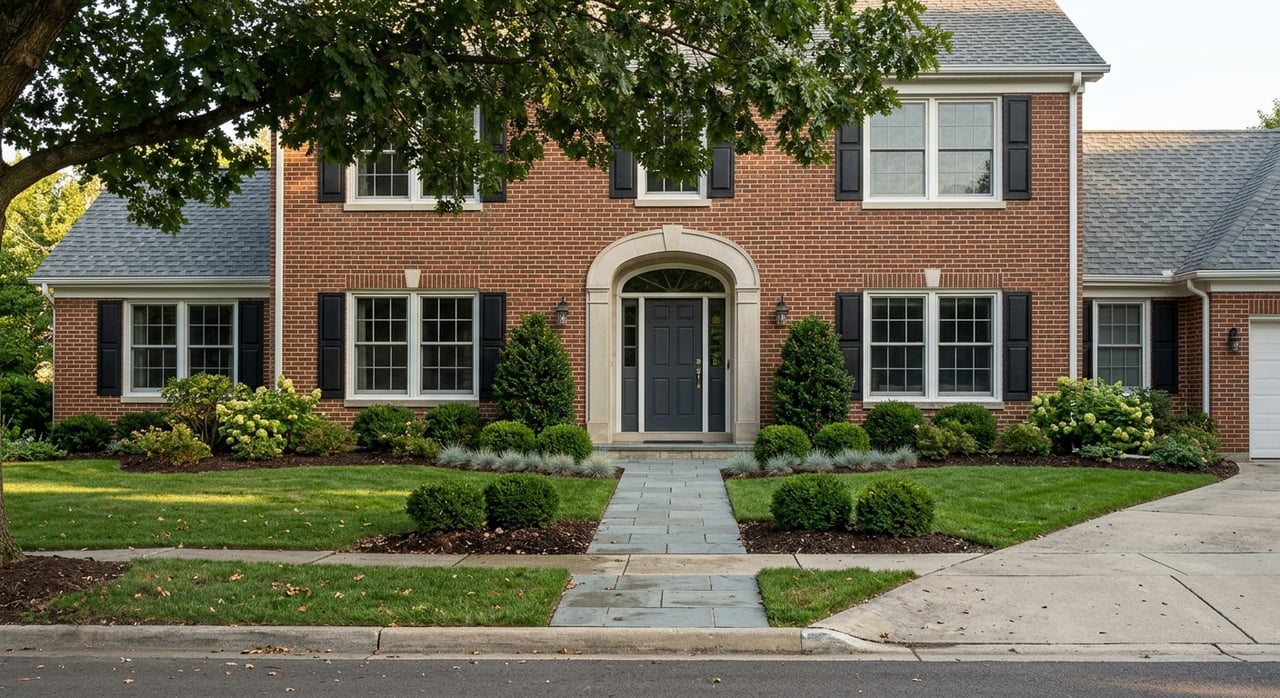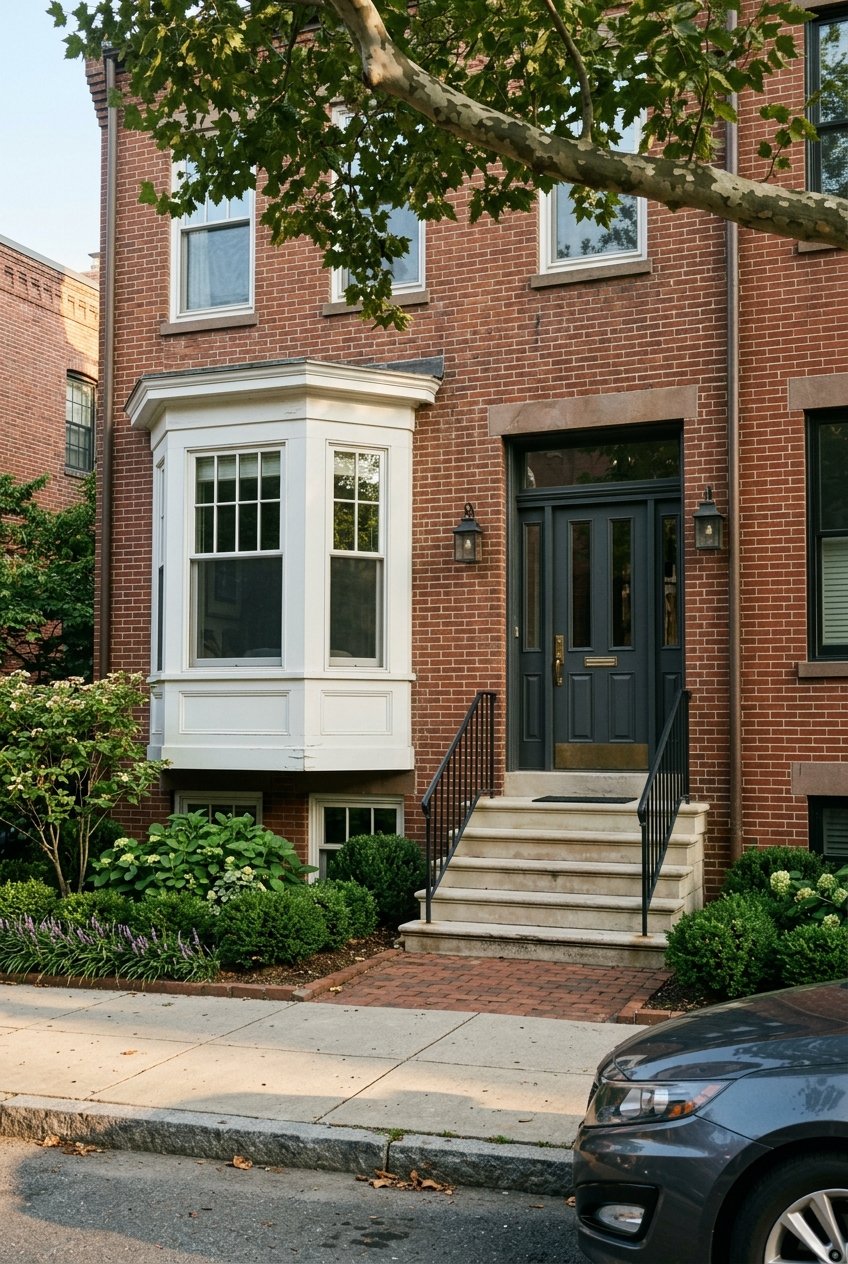
Wondering what day-to-day life in Washington, DC actually feels like once you get past the monuments and headlines? If you are thinking about moving within the city or relocating to DC, it helps to know that there is no single “DC lifestyle.” Your daily routine can look very different depending on whether you live near a Metro station, along a neighborhood retail corridor, or in a greener area with more space and higher vehicle access. Let’s dive in.
DC Life Depends on the Neighborhood
One of the clearest ways to understand Washington, DC is to think of it as a city of micro-neighborhoods. According to the DC Office of Planning, many areas function as complete communities, with housing connected to parks, stores, jobs, and other daily needs.
That matters because everyday life often revolves around what is close to home. Instead of one central shopping strip serving everyone, many residents rely on local commercial corridors, neighborhood parks, and nearby transit for the rhythm of the week.
Getting Around in Daily Life
How you move through DC can shape everything from your morning routine to your weekend plans. The city’s 2019 to 2023 ACS data shows that 28.2% of workers drive alone, 22.3% use public transportation, 10.0% walk, and 29.4% work from home, with a mean commute time of 30.3 minutes, according to the DC Office of Planning demographic indicators.
In practical terms, that means many households build their routines around a mix of options rather than just one. The DC Department of Transportation highlights walking, biking, rolling, driving, Metrobus, Metrorail, the DC Streetcar, and Capital Bikeshare as part of normal daily mobility across the city.
Transit-First Areas Feel Different
Some parts of DC are especially oriented around walking and transit. Ward 2, for example, is more walk-oriented and has lower household vehicle access than some other parts of the city, while Wards 3 and 4 have much higher household vehicle access, based on the same Office of Planning data.
That can change your day in real ways. In a transit-first area, you may find yourself walking to grab coffee, hopping on Metro for work, or running errands along a nearby corridor instead of planning every trip around parking and drive time.
Bus and Rail Stay Part of the Routine
Bus service remains a big piece of city life. WMATA says its Better Bus Network redesign launched on June 29, 2025, with the goal of making service more frequent, reliable, and easier to use, and it also notes that DC has 24/7 bus service on 14 routes.
For regional travel, Union Station continues to serve as a key connection point for Amtrak, VRE commuter rail, and the Metro system. If your life includes commuting beyond the District or frequent travel around the DMV, that can be an important part of your routine.
Housing Shapes the Feel of Daily Life
DC’s housing mix is one reason neighborhoods feel so different from one another. The U.S. Census QuickFacts page shows an owner-occupied housing rate of 41.5%, a median gross rent of $1,954, and a median owner-occupied home value of $737,100.
The city is also more multi-unit and renter-heavy than many other markets. The Office of Planning housing summary says 40% of homes are in apartment buildings with 20 or more units, 27% are in smaller apartment buildings, 23% are duplexes, and 11% are single-family detached homes.
Apartment-Heavy and Urban
Wards 1, 2, and 6 tend to feel the most urban. The Office of Planning describes these areas as more apartment- and rowhouse-heavy, with places like historic townhomes, multifamily buildings, embassies, and newer residential growth all part of the mix.
If you picture a routine built around nearby retail, shorter walks to transit, and a denser street pattern, these areas often fit that image. Your day may include walking to restaurants, parks, or neighborhood services rather than making longer trips for basics.
Village-Like and Residential
Ward 3 offers a different pace. The Office of Planning’s Ward 3 profile describes local commercial cores with nearby apartment buildings and townhouses, plus single-family homes farther out, along with a more village-like and in some places suburban feel.
That often translates into quieter residential streets paired with small commercial nodes. You may still have shops and restaurants nearby, but the pattern is less about nonstop urban activity and more about distinct pockets of convenience.
Mixed Neighborhood Textures
Wards 4 and 5 combine several housing types and neighborhood patterns. The Office of Planning notes that these wards include townhouses, small apartment buildings, bungalows, Victorian homes, porch-front townhouses, single-family homes, and newer mixed-use growth in some areas such as around Union Market and NoMA.
For many buyers, that means more variation block to block and neighborhood to neighborhood. Your everyday experience may depend on whether you are closer to a commercial street, a park edge, or a quieter residential section.
Greener and More Space-Oriented
Wards 7 and 8 are often described as greener and more suburban in feel. The Ward 7 profile points to leafy streets, greenspace, duplexes, garden apartments, and detached homes with yards, while Ward 8 includes townhouses, detached homes with yards, and large institutional parcels.
If your ideal routine includes more outdoor space, a less dense built environment, or a different pace than the city’s most urban neighborhoods, these areas may feel very different from central DC. The tradeoff is that day-to-day mobility and errands may look different too, depending on where you are relative to transit and retail.
Local Retail Matters More Than You Think
A big part of daily convenience in DC comes from neighborhood commercial corridors. Rather than relying on one citywide shopping district, residents often use local streets and small business clusters for food, errands, and social time.
The Office of Planning highlights examples across the city, including Georgetown, Dupont Circle, Logan Circle, Shaw, and the 14th Street corridor in Ward 2; Woodley Park, Cleveland Park, Tenleytown, and Friendship Heights in Ward 3; Georgia Avenue in Ward 4; Union Market and NoMA in Ward 5; and Eastern Market in Ward 6.
That pattern shapes your week more than many first-time movers expect. Being close to a commercial corridor can mean easier errands, more spontaneous dining options, and a neighborhood feel where daily needs are woven into the streetscape.
Parks Are Part of the Lifestyle
Green space is not just a bonus in DC. In many neighborhoods, it is part of the daily routine. The Office of Planning points to major park assets across the city, including Rock Creek Park, the National Zoo, and Meridian Hill/Malcolm X Park in Ward 1; the National Arboretum in Ward 5; and Fort Dupont Park, Kenilworth Aquatic Gardens, Anacostia River Park, Kingman Island, Oxon Run Park, Fort Stanton, Anacostia Park, and Shepard Parkway in Wards 7 and 8.
For some households, that means morning walks, weekend outdoor time, or easier access to recreation without leaving the city. In others, nearby green space softens the pace of urban living and adds breathing room to everyday routines.
A Simple Way to Think About DC Neighborhood Life
If you are comparing neighborhoods, it helps to focus less on labels and more on how you want your day to work. In broad terms, the city often breaks down like this:
- Wards 1, 2, and 6: denser, more walkable, and more transit-oriented
- Ward 3: quieter, village-like, and more residential in feel
- Wards 4 and 5: mixed housing types with varied neighborhood textures
- Wards 7 and 8: greener areas with more space-oriented residential patterns
The right fit depends on your priorities. You may want easy access to transit and local retail, a rowhouse block with strong walkability, or a home with more yard space and a different pace.
What This Means for Your Home Search
When you search for a home in Washington, DC, you are not just choosing square footage or finishes. You are choosing how your mornings start, how errands get done, how you get to work, and what your weekends look like.
That is why neighborhood fit matters as much as the home itself. If you want help sorting through the differences between DC neighborhoods and finding a place that matches your routine, goals, and budget, connect with Anthony Lacey for a clear, strategic conversation.
FAQs
What does everyday life in Washington, DC neighborhoods depend on?
- Everyday life in DC depends heavily on neighborhood location, housing type, access to transit, nearby commercial corridors, and proximity to parks and daily services.
Which Washington, DC neighborhoods feel most walkable and transit-oriented?
- Based on Office of Planning guidance, Wards 1, 2, and 6 generally feel denser, more walkable, and more connected to Metro, buses, and neighborhood retail corridors.
Which parts of Washington, DC feel quieter or more residential?
- Ward 3 is often described as more village-like and residential, while Wards 7 and 8 are often noted for greener, more space-oriented settings.
Is Washington, DC mostly condos and apartments or single-family homes?
- Citywide, DC is more multi-unit than many markets, with large apartment buildings, smaller apartment buildings, and duplexes making up most of the housing stock, while single-family detached homes are a smaller share.
How do people usually commute in Washington, DC?
- DC residents use a mix of driving, public transportation, walking, biking, and working from home, with the citywide mean commute time reported at 30.3 minutes.
Why do local commercial corridors matter in Washington, DC?
- Local commercial corridors matter because many residents rely on nearby shops, restaurants, and services for daily errands instead of traveling to one central retail district across the city.