Wondering which Baltimore home style fits the way you actually live? In a city known for its architecture, your options can feel exciting but also a little overwhelming. If you are deciding between a classic rowhouse, a modern condo, or a detached single-family home, this guide will help you understand what each style typically offers in Baltimore and where you are most likely to find it. Let’s dive in.
Why Baltimore Home Styles Stand Out
Baltimore’s housing identity is closely tied to the rowhouse. City historic preservation guidance says the rowhouse has shaped the Baltimore streetscape since the late eighteenth century, in part because the city grew in a compact pattern and attached homes shared side walls.
That history still shows up in how the city looks and functions today. Baltimore’s zoning code clearly distinguishes rowhouses, single-family homes, and multi-family buildings, which gives buyers a useful framework when comparing their options.
Baltimore Rowhouses and Townhomes
For many buyers, Baltimore starts with the rowhouse. In city code terms, a rowhouse is part of three or more attached buildings with private entrances and shared walls.
That attached design creates a very specific feel. You often get a home that sits close to the street, uses space efficiently, and connects you to the rhythm of the block.
What a Baltimore rowhouse usually feels like
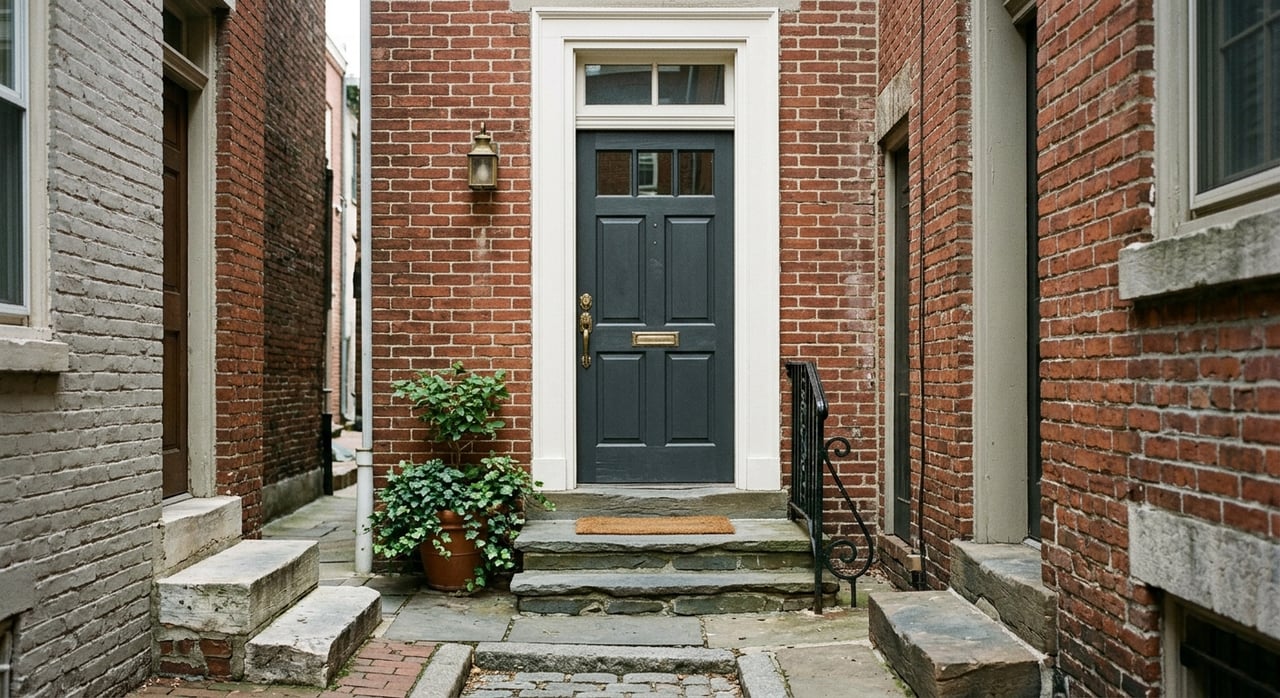
Historic Baltimore rowhouses are often narrow, deep, and street-oriented. City preservation guidance describes early examples as brick dwellings that were commonly two rooms deep with a small rear yard.
As rowhouses evolved, many picked up details that buyers still love today, including marble steps, porches, bay windows, and wider “daylighter” layouts. Some later versions also included small yards and garages, giving them a slightly more suburban feel while keeping the attached-home format.
What ownership can look like
A rowhouse can mean less yard maintenance than a detached home, which is a big plus for many buyers. At the same time, you still need to think about the condition of the facade, roof, and shared walls.
If a home is in a local historic district, exterior changes may be reviewed by CHAP. That is an important detail if you are planning updates, because local district review is different from a National Register designation, which the city describes as honorary and not subject to the same design review.
Where you will find classic rowhouses
Baltimore has several neighborhoods known for traditional rowhouse blocks. Federal Hill South, Otterbein, Sharp Leadenhall, and Seton Hill are well-known examples identified in city historic district materials.
These areas reflect different chapters of Baltimore’s architectural story, but they share a strong rowhouse identity. You will often see dense, street-facing brick homes that define the look many people picture when they think of city living in Baltimore.
Where you will find more ornate rowhouses
If you want architectural detail, some Baltimore rowhouse neighborhoods stand out for later and more decorative styles. City historic district materials point to Barclay Greenmount, Ednor Gardens, Auchentoroly Terrace, and Mount Royal Terrace as examples.
In these areas, buyers may notice features tied to styles such as Queen Anne, Gothic Revival, Tudor, Norman, and Colonial influences. The exact housing mix can vary by block, but these neighborhoods show how much range exists within Baltimore’s rowhouse tradition.
Modern Condos and Multi-Family Living
If you want a lower-maintenance lifestyle, a condo or other multi-family home may be the right fit. Baltimore code defines a multi-family building as one with two or more dwelling units, and these buildings can include shared facilities like laundry rooms.
This housing type is especially relevant if you care more about convenience, shared amenities, and a central location than about having your own yard. In many cases, it can also mean less responsibility for exterior upkeep.
Where condos cluster in Baltimore
Baltimore’s newer condo-style living is most visible in downtown and waterfront redevelopment areas. The city’s C-5 Downtown District is designed to support a broad mix of uses in the downtown core, with subdistricts that include the Inner Harbor, Downtown East, and Howard Street.
That same pattern extends into waterfront mixed-use areas such as Harbor East and Harbor Point. City planning materials describe both places as major mixed-use developments with residential components alongside office, retail, and restaurant uses.
What the condo lifestyle often offers
For many buyers, condos and larger multi-family buildings can support a more amenity-oriented, car-light lifestyle. Baltimore code allows common facilities in multi-family properties, and larger buildings can also include uses such as offices, retail goods establishments, personal services, and restaurants within the building.
Another practical point is parking. The city says there is no minimum parking requirement for rowhouses or multi-family dwellings, so parking availability can vary a lot by building and location.
Single-Family Homes in Baltimore
If privacy, outdoor space, or a more open setting matters most to you, a detached single-family home may be the better match. Baltimore code defines detached dwellings as homes that are not attached to any other dwelling.
Compared with rowhouse blocks, these homes often feel less compressed. You may see more front setback, more yard space, and a streetscape that feels less continuous and more spread out.
What a detached home usually offers
Detached homes in Baltimore often come with features that buyers associate with extra breathing room. Front porches, yards, and more separation from neighboring homes are common themes in city historic district descriptions.
That does not automatically mean suburban living far outside the city. Baltimore includes detached-home pockets that still keep you within city limits while offering a more open residential feel.
Where buyers find single-family homes
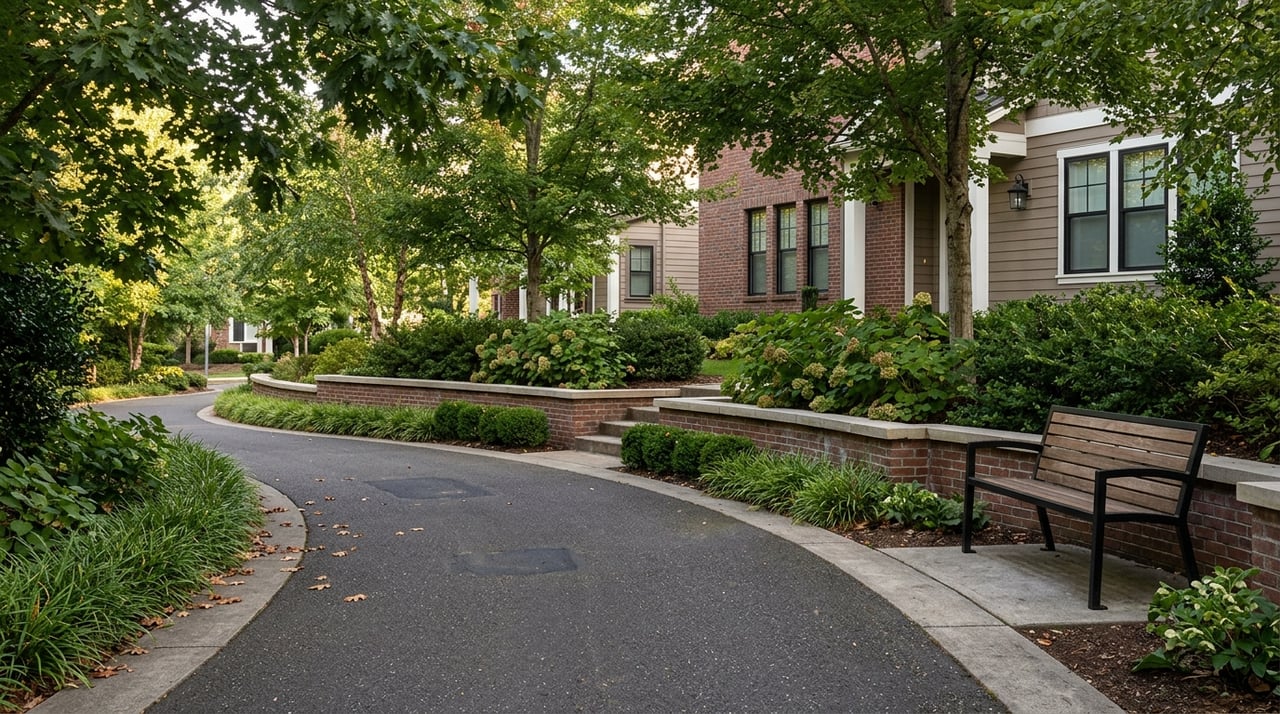
City historic district materials identify Wyndhurst, Bancroft Park, Cedarcroft, and Mayfield as places where detached single-family homes are part of the neighborhood fabric. These areas are described with features such as houses set back from the street, curved roads, larger lots, and freestanding homes.
Mayfield is especially interesting because it blends the urban rowhouse grid with freestanding houses. Cedarcroft also shows how a Baltimore neighborhood can feel leafy and lot-oriented while still being part of the city.
How To Choose the Right Baltimore Home Style
The best home style depends on how you want to live day to day. In Baltimore, the choice often comes down to whether you want walkability and historic character, convenience and lower exterior upkeep, or more space and privacy.
Here is a simple way to think about it:
- Rowhouse or historic townhome: Often a strong fit if walkability, classic Baltimore character, and street-oriented living matter most.
- Modern condo or other multi-family home: Often a strong fit if you want downtown access, shared amenities, and less exterior maintenance.
- Single-family home: Often a strong fit if yard space, privacy, and a more open setting are your top priorities.
Questions to ask yourself before you buy
Before you narrow your search, think about your daily routine as much as the home itself. A beautiful property is only a good fit if it supports the way you want to live.
Ask yourself:
- How important is walkability to your routine?
- Do you want outdoor space to maintain, or less exterior upkeep?
- Are you comfortable with shared walls or shared building amenities?
- Do you want historic character, newer building systems, or a blend of both?
- How important is parking in the area you are considering?
Why the Details Matter in Baltimore
In Baltimore, home style is not just about appearance. It affects maintenance, renovation flexibility, privacy, and how your home connects to the surrounding block or neighborhood.
That is why a smart search starts with clarity. When you understand the differences between rowhouses, condos, and detached homes, you can focus on homes that match your priorities instead of chasing every new listing that hits the market.
If you are comparing Baltimore home styles and want a strategy that fits your goals, Anthony Lacey can help you narrow your options, evaluate tradeoffs, and move forward with confidence.
FAQs
What is a rowhouse in Baltimore?
- In Baltimore zoning terms, a rowhouse is part of three or more attached buildings with private entrances and shared walls.
Where can you find classic Baltimore rowhouses?
- City historic district materials identify places such as Federal Hill South, Otterbein, Sharp Leadenhall, and Seton Hill as well-known rowhouse areas.
What is the difference between a Baltimore condo and a multi-family building?
- Baltimore code defines a multi-family building as a property with two or more dwelling units, and condo-style living is often found within that broader category depending on the ownership setup of the building.
Where are modern condos most common in Baltimore?
- Modern condo-style living is most visible in downtown and waterfront areas, including parts of the C-5 Downtown District, Harbor East, and Harbor Point.
Are detached single-family homes common in Baltimore City?
- Yes, Baltimore has detached-home pockets, and city historic district materials point to neighborhoods such as Wyndhurst, Bancroft Park, Cedarcroft, and Mayfield.
Do Baltimore rowhouses and condos always come with parking?
- Not always. Baltimore says there is no minimum parking requirement for rowhouses or multi-family dwellings, so parking can vary by property and location.