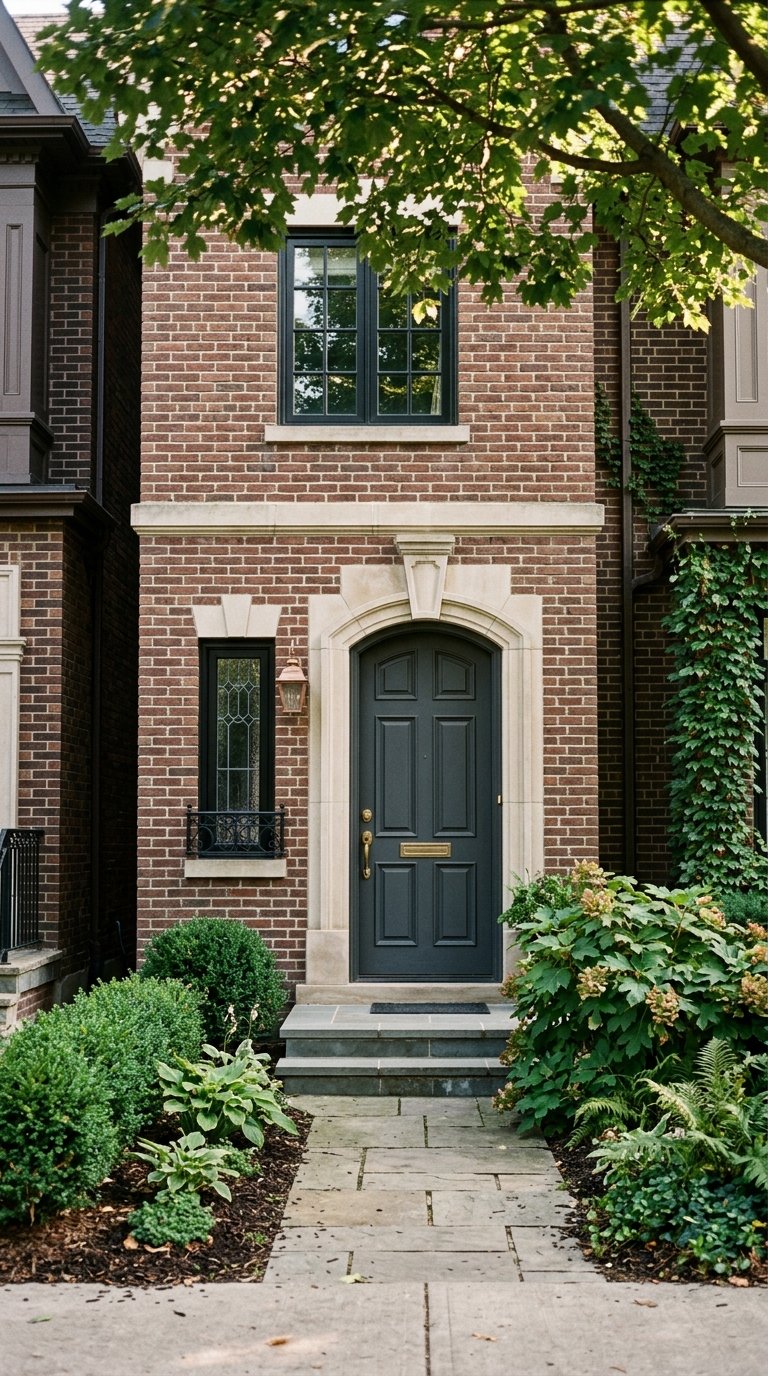
If you are thinking about buying your first home in Baltimore, you are probably asking the same question many buyers ask right now: Is this market still affordable, or am I already too late? The good news is that Baltimore can still offer a lower entry point than many other markets in the broader region, but that does not mean every home is a bargain or every deal is simple. When you understand pricing, financing options, timelines, and the city’s older housing stock, you can make smarter moves with more confidence. Let’s dive in.
Baltimore Market Basics
Baltimore continues to stand out as a comparatively affordable East Coast city, especially when you compare it with many nearby markets in the wider DMV area. Recent market data shows a median sale price of about $244,853, while the median listing price is around $235,000. Those numbers help explain why many first-time buyers still keep Baltimore on their radar.
At the same time, affordability has limits. Census data shows Baltimore’s median household income is $62,177, the median value of owner-occupied homes is $229,600, and median monthly owner costs with a mortgage are $1,789. By comparison, median gross rent is $1,331, which means buying often comes with a higher monthly cost than renting.
That does not mean buying is the wrong move. It means you should go in with a clear budget, realistic expectations, and a plan for both upfront and monthly costs. In Baltimore, the opportunity is real, but so is the need for preparation.
What Competition Looks Like
Baltimore is not the kind of market where every home disappears in a weekend, but it is also not a market where you can move slowly once you find the right fit. Redfin classifies the city as somewhat competitive, with homes getting about 2 offers on average. The sale-to-list ratio is about 100.1%, which tells you well-priced homes can still draw strong attention.
Market timing varies slightly depending on the source, but the overall story is consistent. Recent data shows homes taking roughly 41 to 49 days to sell. Some hot homes can go pending in about 18 days and may sell around 2% above list price.
For you, that means patience and readiness matter at the same time. You may spend a little time waiting for the right property, but once you find it, you need to be ready to act with a strong offer and clean paperwork.
Baltimore Housing Is Not One-Size-Fits-All
One of Baltimore’s biggest strengths is also one of its biggest challenges: variety. The city has 250+ neighborhoods, and they are not all the same in price, housing style, or feel. As a first-time buyer, you are not shopping one single market. You are comparing many smaller micro-markets.
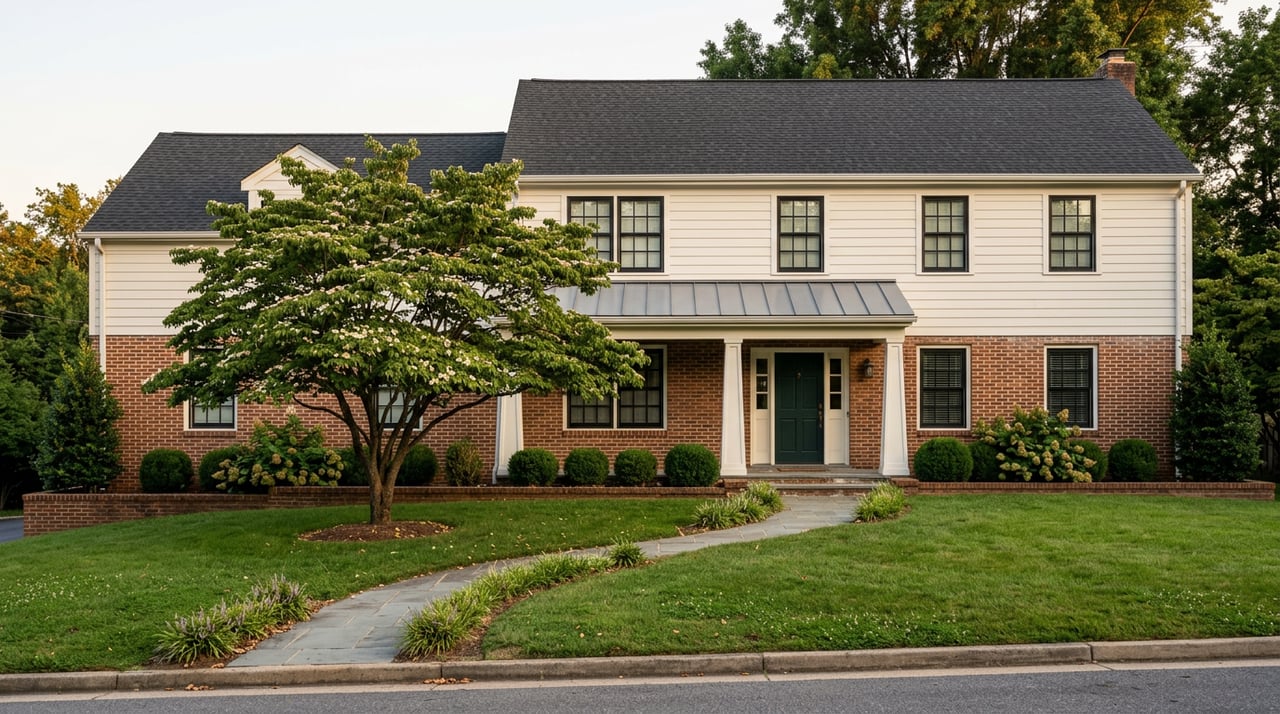
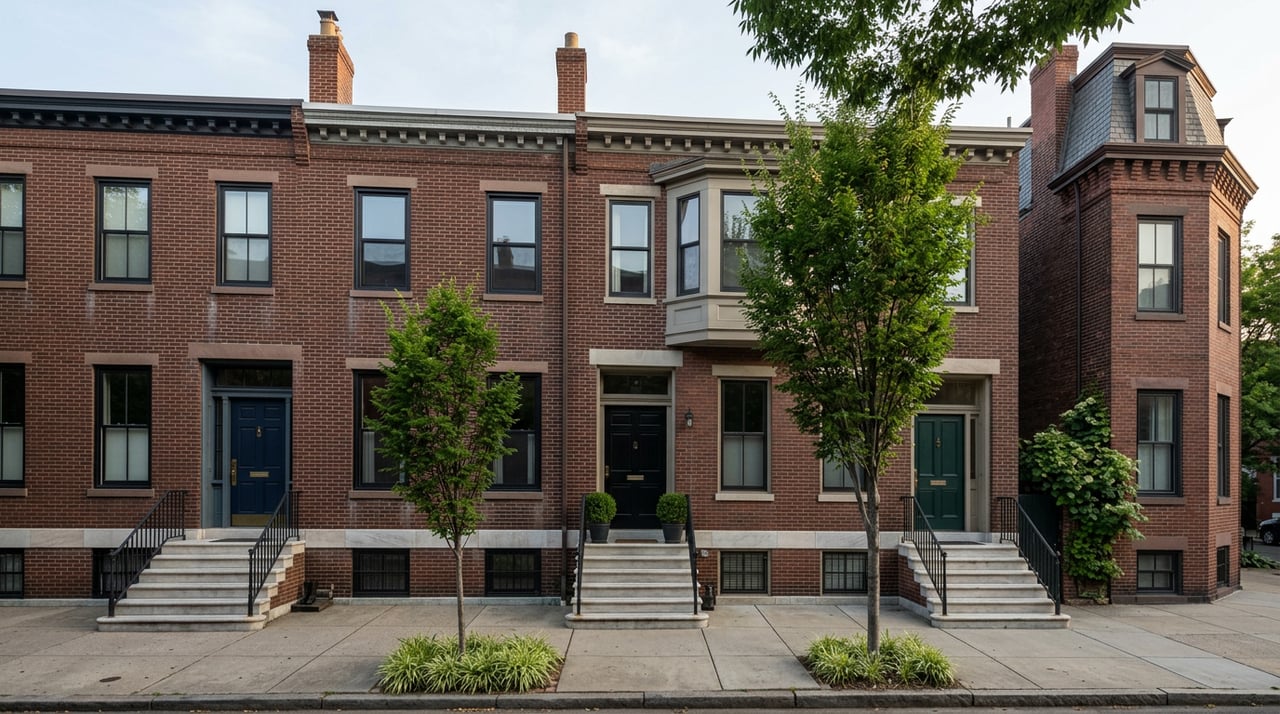
Baltimore’s housing stock is also very different from what you might see in newer suburban areas. The rowhouse has shaped much of the city for centuries, and many neighborhoods still reflect that history today. In some places, you will see dense residential rowhouse blocks. In others, you may find a mix of free-standing homes, duplexes, brick rows, and more suburban-style properties.
Examples from Baltimore’s historic resources show that range clearly. Seton Hill is described as a primarily residential rowhouse neighborhood. Sharp Leadenhall includes many two- to three-story vernacular rowhouses dating from the 1820s to the 1870s. Mayfield includes free-standing homes, brick rows, suburban villas, and duplexes.
That mix matters because the right first home for you may look very different from the right first home for someone else. Your search should focus on budget, commute, layout, condition, and long-term fit, not just a citywide average price.
Financing Options First-Time Buyers Should Know
For many first-time buyers, the biggest question is not whether they want to buy. It is whether they can put the financing together in a way that works. In Baltimore, that answer may involve both a mortgage product and a local assistance program.
Several common loan paths can help reduce the upfront barrier to entry:
- HomeReady conventional loans may allow down payments as low as 3%
- FHA loans may allow down payments as low as 3.5%
- VA-backed loans are often made with no down payment for eligible borrowers
- Maryland Mortgage Program 1st Time Advantage offers a 30-year fixed-rate option for eligible first-time buyers
Maryland’s program is especially important because many products come with down payment assistance options. The 1st Time Advantage line includes a $6,000 down payment assistance option as well as 3%, 4%, and 5% deferred down payment assistance loans.
Baltimore Assistance Can Make a Big Difference
Baltimore City’s assistance programs can be especially valuable for first-time buyers. According to the city, eligible first-time buyers at or below 80% of area median income may receive 50% of the down payment, up to $10,000. Some buyers may also qualify for an additional $5,000 bonus, including certain households with a disability or buyers purchasing a home they rented for at least six months.
The city also promotes programs such as Buying Into Baltimore, Live Near Your Work, and employee homeownership assistance. For many buyers, these programs can improve affordability more than rate shopping alone.
There are important requirements, though. Baltimore City says buyers must complete homeownership counseling through a City-approved agency within one year before writing an offer, and buyers must invest at least $1,000 of their own funds. Maryland’s 1st Time Advantage program also requires approved homebuyer education and a state-approved lender.
That is why financing in Baltimore is about more than getting pre-approved. You also want a lender and support team that can keep the loan, assistance paperwork, and required education on track at the same time.
Why Pre-Approval Comes Early
If you are still in the browsing stage, it may be tempting to wait on financing until you are more serious. In practice, that can slow you down when the right property appears. A true pre-approval is stronger than a casual pre-qualification, and it gives you a clearer picture of what you can comfortably afford.
Lenders commonly ask for documents such as:
- Recent pay stubs
- W-2s
- Tax returns in some cases
- Bank statements
- Photo ID
- Lease or rent history
- Other supporting financial records
Getting this ready early helps in two ways. First, it sharpens your budget before you start touring homes. Second, it puts you in a better position to make a serious offer when timing matters.
A Realistic Baltimore Buying Timeline
One of the most helpful things to understand as a first-time buyer is that Baltimore is usually a market measured in weeks, not days. Even after your offer is accepted, there are still several steps between contract and closing.
A practical timeline often looks like this:
- Pre-approval and buyer education
- Homeownership counseling, if required for assistance programs
- Home search and showings
- Offer, earnest money, and negotiations
- Inspection, appraisal if required, underwriting, title work, and insurance
- Final loan review and closing disclosure
- Closing day
Earnest money is another item many first-time buyers overlook. Typical earnest-money deposits are often around 1% to 3% of the offer price. You will want to have that money available so you are not scrambling after your offer is accepted.
By law, the Closing Disclosure must be delivered at least three business days before closing. That gives you time to review final loan terms and costs, but it also shows why the closing process does not happen overnight.
What to Watch for in Older Homes
Baltimore’s older housing stock is a major part of its appeal, but it also means due diligence matters. A home inspection is one of the most important steps in the process because it can reveal safety issues, maintenance concerns, illegal installations, or structural problems before you close.
A typical inspection may review:
- Electrical systems
- Gas systems
- Plumbing
- Roofing
- Insulation and ventilation
- Heating and cooling systems
- Foundation and wall structure
- Basements
- Windows
- Interior and exterior problem areas
For Baltimore buyers, a few issues deserve extra attention. In rowhomes and older properties, it is smart to ask about roof age, water intrusion, masonry condition, shared walls, and past renovations. These items can affect both your immediate repair budget and your long-term ownership costs.
Historic Review and Renovation Limits
If you are buying in a historic district or considering a designated historic property, you should also ask whether design review rules apply. Baltimore’s preservation guidelines note that review procedures may apply in historic districts and for landmarks. In some cases, permit applications filed before historic review can be held until that review is complete.
That does not mean you should avoid historic homes. It means you should understand the rules before you buy, especially if you are already planning updates. A home that looks like a great cosmetic project may come with extra review steps depending on where it is located.
Lead Paint Should Be Part of Your Checklist
Lead is another important issue in Baltimore because many homes are older. Maryland says homes built before 1978, and especially before 1950, may contain lead paint. In addition, known lead-based paint hazards generally must be disclosed before the sale or lease of most pre-1978 housing.
For you as a buyer, this means lead paperwork is often a routine part of the transaction in older Baltimore homes. If you see peeling paint, older windows, or signs of major renovation, it may be wise to consider a more specialized evaluation. This is one more reason why careful property review matters so much in this market.
How to Shop Smarter as a First-Time Buyer
Baltimore can absolutely be a strong first-home market, but success usually comes from being strategic rather than impulsive. You do not need to know everything on day one. You do need a clear plan.
A smart approach includes:
- Getting pre-approved before touring seriously
- Exploring city and state assistance early
- Narrowing your search by budget and property type
- Comparing neighborhoods as separate micro-markets
- Reviewing older homes carefully during due diligence
- Moving quickly when a well-matched home appears
That balance is what makes Baltimore unique for first-time buyers. You may find more approachable price points than in some nearby markets, but the tradeoff is that housing condition, financing logistics, and neighborhood differences matter more than many buyers expect.
If you want a smoother path, it helps to work with a team that can guide the strategy, negotiations, and contract-to-close details clearly from the start. When you are ready to plan your next move, connect with Anthony Lacey for a free consultation.
FAQs
What is the current housing market like for first-time buyers in Baltimore?
- Baltimore is considered somewhat competitive, with median sale prices around $244,853, homes generally selling in about 41 to 49 days, and some well-priced homes moving faster.
What down payment help is available for first-time buyers in Baltimore?
- Eligible buyers may be able to use Maryland Mortgage Program options and Baltimore City assistance, including city down payment help of up to $10,000 for qualifying first-time buyers, plus possible additional bonus funds in some cases.
What are Baltimore City’s requirements for buyer assistance programs?
- Baltimore City says buyers must complete homeownership counseling through a City-approved agency within one year before writing an offer and contribute at least $1,000 of their own funds.
What types of homes should first-time buyers expect in Baltimore?
- Baltimore offers a wide range of housing, including rowhouses, duplexes, free-standing homes, and mixed housing styles across more than 250 neighborhoods.
What should first-time buyers inspect carefully in older Baltimore homes?
- Pay close attention to roofing, water intrusion, masonry, shared walls, windows, major systems, structural elements, and any signs of deferred maintenance or older renovation work.
What should buyers know about lead paint in Baltimore homes?
- Homes built before 1978, especially before 1950, may contain lead paint, so disclosure paperwork is common and additional evaluation may be worth considering when older materials or peeling paint are present.